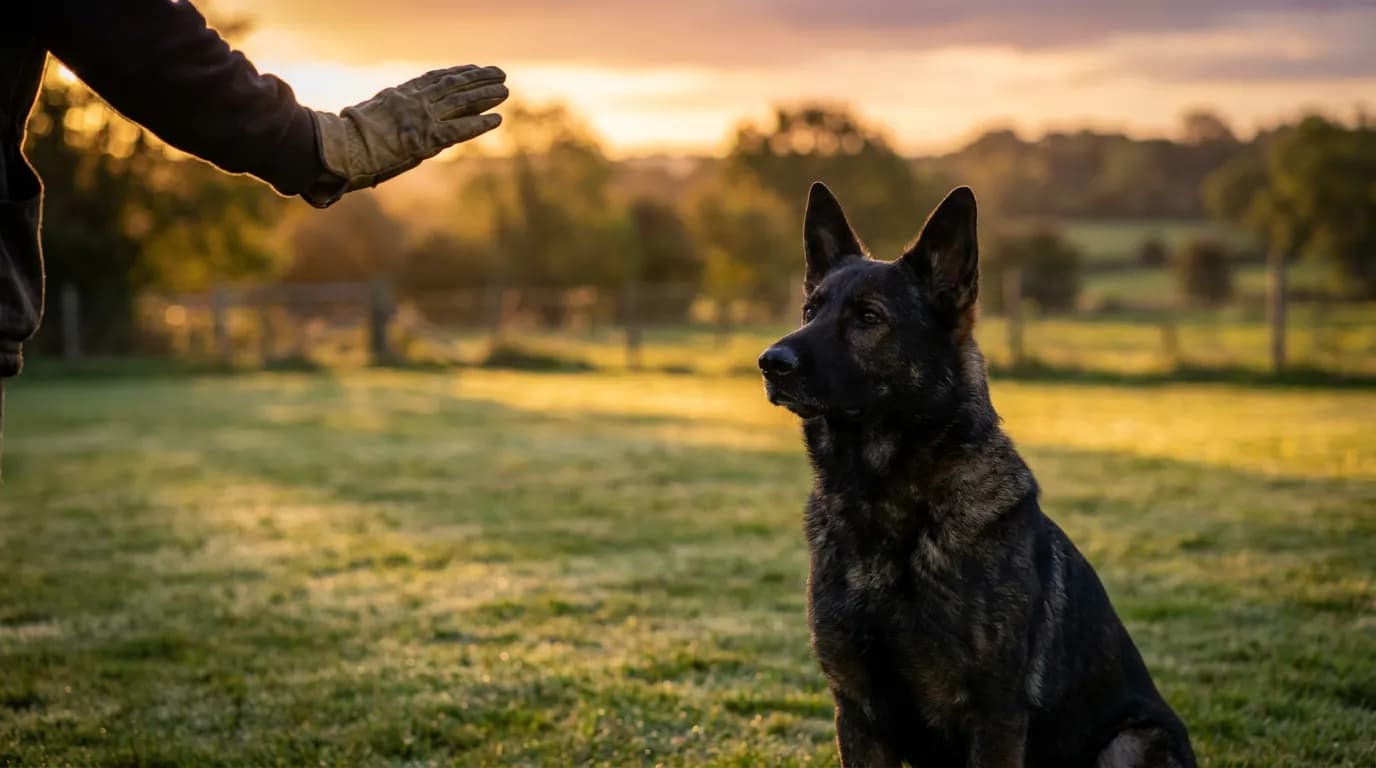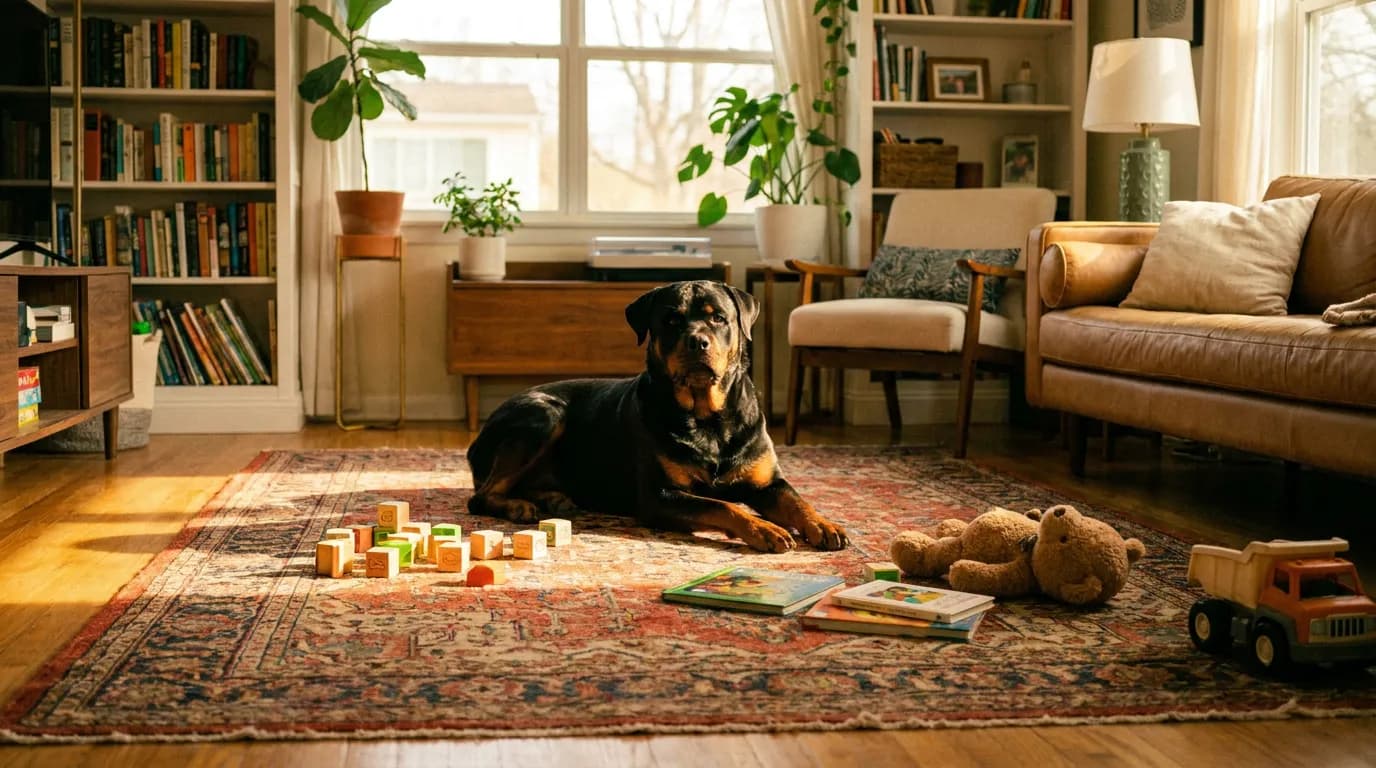
It is one of the most common questions we hear from parents: is it safe to bring a protection dog into a home with children? The honest answer is yes, in the right circumstances, with the right dog and the right rules. A trained family protection dog can be a gentle companion during the day and a calm, alert guardian at night.
It is also true that things can go wrong when a family treats a protection dog like any ordinary pet. Here is what responsible families do differently.
Start with the right dog
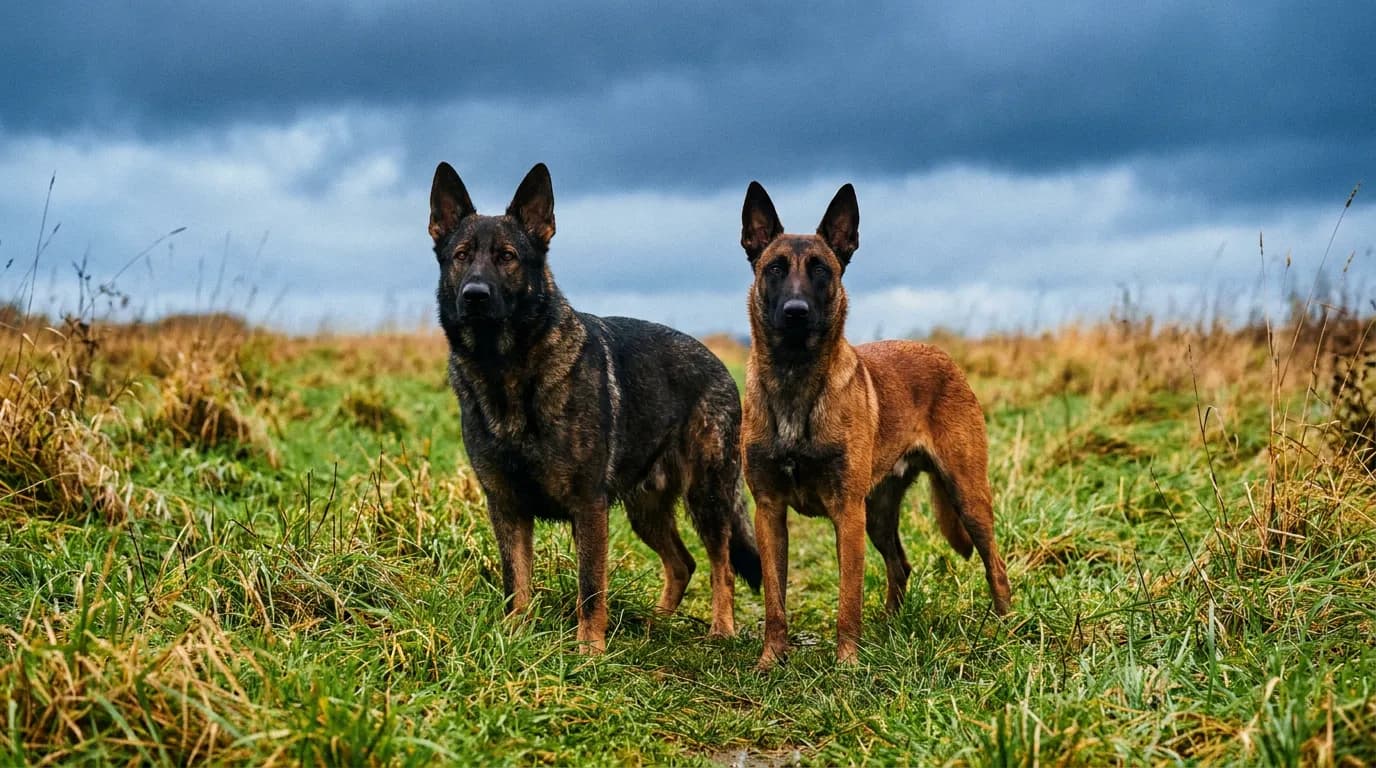
Not every protection dog suits family life. Temperament matters more than any title. We look for dogs with stable nerves, low reactivity, a natural tolerance for noise and movement, and an affectionate side. Breeds like the German Shepherd, Rottweiler and Dutch Shepherd often do well, but each dog is an individual.
A dog that is intense, wary or easily startled is a poor fit for a house full of toys, shrieks and running feet. This is why we ask buyers about their children's ages, their daily routine and how many visitors come through the home before we suggest a dog.
Adult trained dog or puppy?
Families often ask whether a puppy is the safer choice because the child can grow up with it. A puppy can be a wonderful option, but it is a lot of work. You will manage chewing, house training, nipping and months of socialization while also parenting your children.
A trained adult dog already has its obedience and manners in place. We know how it behaves around people, and it can protect from day one. For busy families with small children, a trained adult is often the more practical choice. Our trained K9 page lists the dogs currently available.
Teach children the rules
The dog is only half of the equation. Children must learn how to behave around a large working animal. Simple rules prevent most problems:
Never approach the dog while it is eating or sleeping. Do not pull ears, tails or fur. Do not tease the dog or run toward it screaming. Always ask a parent before petting. Older children can learn to give a few basic commands under supervision, which builds respect on both sides.
Never leave young children alone with any dog, no matter how well trained. Supervision is not a sign of distrust. It is simply good practice.
Many parents also find it helpful to involve children in the dog's routine in age-appropriate ways. Let a child help fill the water bowl, carry a toy or sit beside you during training. These small jobs teach responsibility and help the dog see the children as part of the pack, while you stay in charge of every important decision.
Give the dog structure and a place of its own
A relaxed dog is a safe dog. Provide a crate or bed in a quiet spot where the dog can retreat and where children are not allowed to follow. Keep a regular routine for feeding, walks and training. Dogs that know what to expect each day are calmer and easier to manage.
Exercise matters as well. A tired dog is much less likely to be restless or pushy around kids. Daily walks, training sessions and play give the dog a healthy outlet for its energy.
Guests, playdates and boundaries
Protection dogs need clear rules about visitors. A well-trained dog accepts guests when its handler welcomes them, but you should still plan ahead for playdates and parties. Put the dog in another room or in its crate when many children are running around, especially children who are not used to dogs.
Teach the dog a reliable place command so it settles on a mat while guests come and go. Practice this regularly. When visitors arrive, a calm hello followed by a down-stay on its mat shows everyone, including your dog, how the house works.
Ongoing training keeps everyone safe
Training does not end when the dog comes home. Keep practicing obedience every day, reward calm behavior around the children and stay alert to any signs of stress, such as stiffening, lip licking or avoiding contact. If you see them, give the dog space and call us. Small problems are easy to fix early.
With the right dog, clear rules and consistent handling, a protection dog can become a cherished member of the family. Read more on our family security K9 page, or reach out and tell us about your household. We will help you find a dog that fits.
Related: family protection dogs.
Need Help Choosing a Protection Dog?
Every dog has individual training, temperament, and care requirements. If you are considering a protection dog, explore the available options and discuss your circumstances with Titan Protection Dogs.