Breed guide
German Shepherd Protection Dogs: Training and Suitability
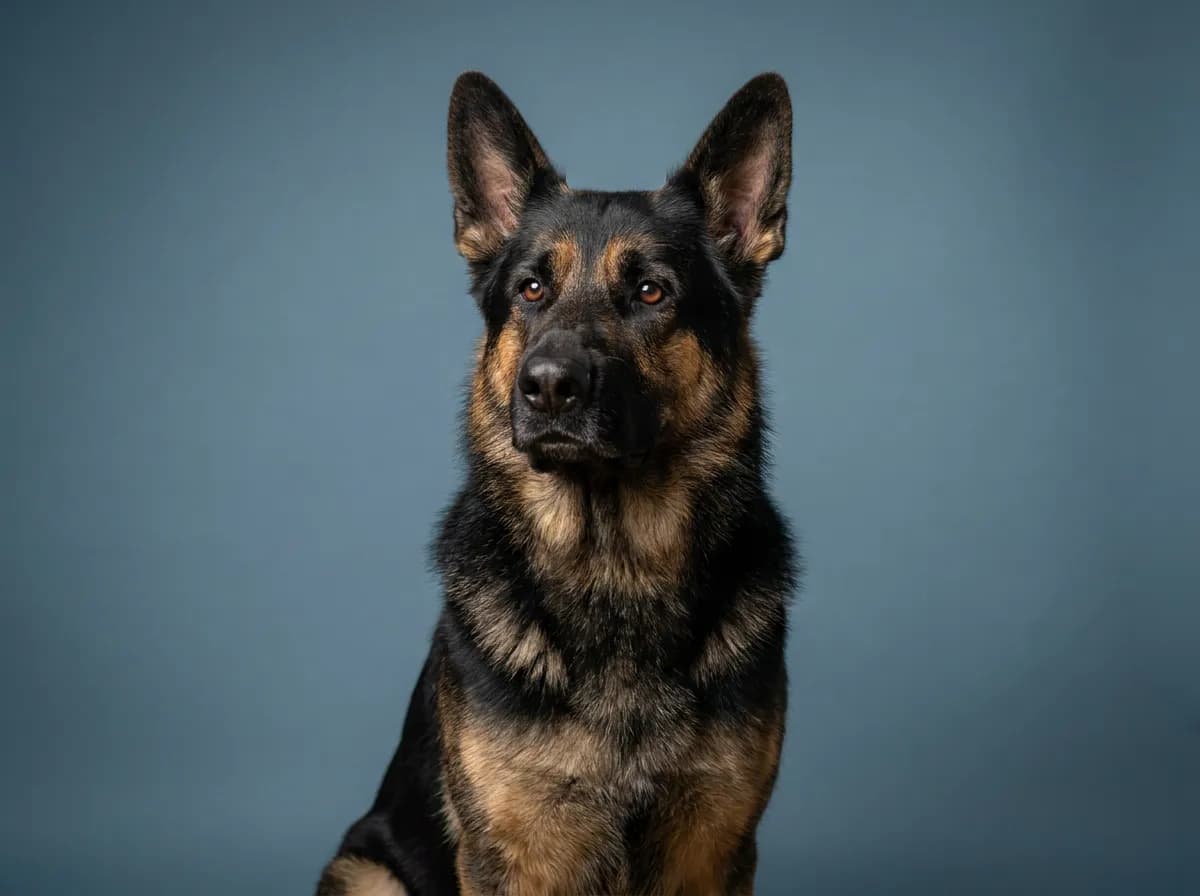
German Shepherds are versatile working dogs valued for their trainability, athleticism, and ability to work closely with a handler. Whether an individual dog is right for protection work depends on its temperament, health, training, and suitability for the intended home.
- Herding group
- Police & military
- Family friendly
- Highly trainable
What to Consider
Temperament and Household Fit
Consider the individual dog's behavior around family members, visitors, unfamiliar people, and other animals. Breed alone does not determine suitability.
Training and Obedience
Ask which obedience skills the dog has demonstrated, how it responds to commands around distractions, and what handler instruction is provided.
Exercise and Daily Care
German Shepherds need regular physical activity, mental engagement, grooming, veterinary care, and ongoing training.
Choosing an Adult or Puppy
An adult trained dog offers an opportunity to assess established skills. A puppy requires a longer commitment to development and training, with no guarantee of future protection suitability.
Questions to Ask Before Buying
- What training has this specific dog completed?
- What health and background records are available?
- How does the dog behave around children, visitors, and other pets?
- What handler training and transition support are provided?
- What are the purchase, delivery, and ongoing care costs?
Explore German Shepherd Options
Ask about current availability and whether an individual German Shepherd may suit your household, experience, and goals.
About the German Shepherd as a working breed
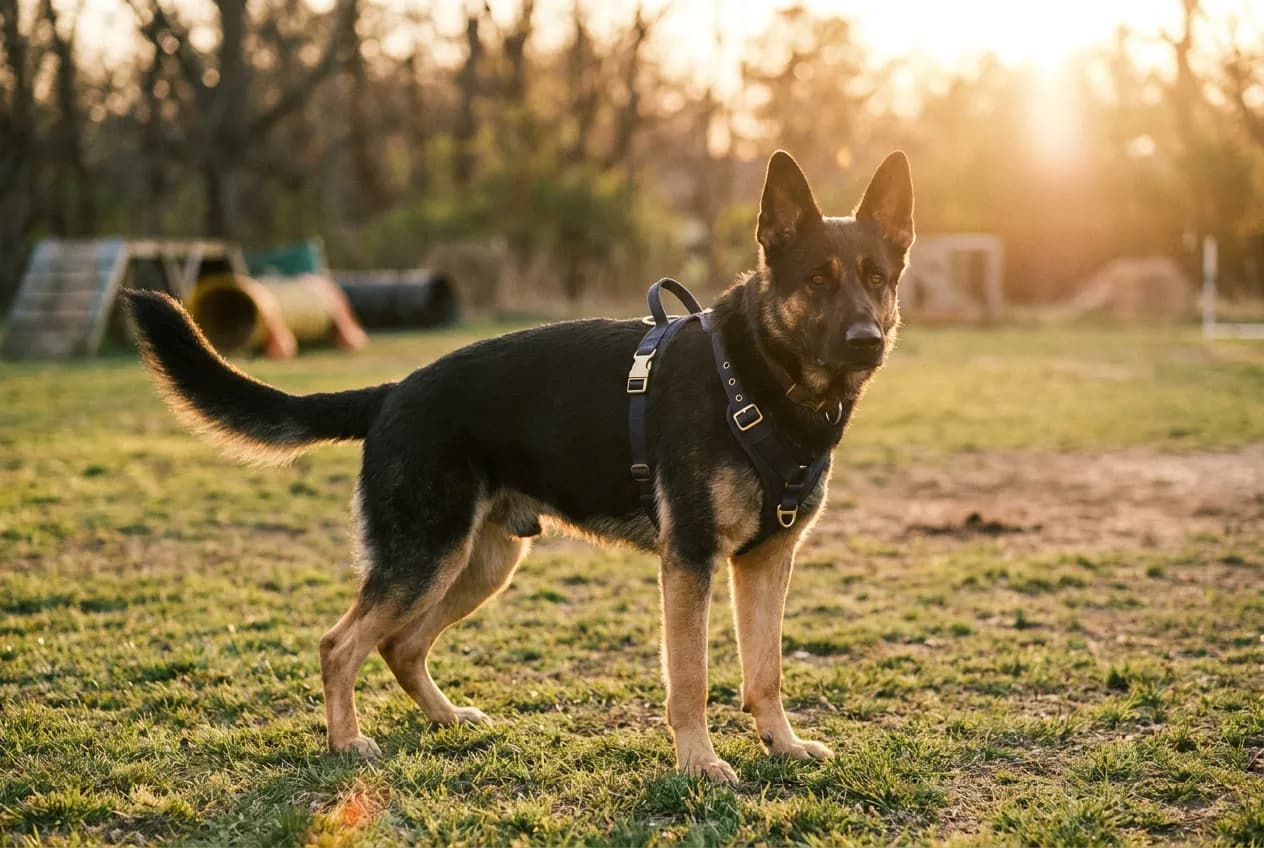
The German Shepherd was developed in the late 1800s as a herding dog and quickly proved itself as a working partner for police, the military and search teams. It remains one of the most widely used protection breeds in the world.
As a K9 protection dog, the German Shepherd stands out for its balance. It has the courage and presence to deter a threat, the intelligence to learn complex commands, and the temperament to settle in a family home when it is off duty.
Best for: Families and first-time protection dog owners who want a dependable, versatile guardian.
Typical protection role: Home protection, family protection and executive security.
Breed statistics
- Height
- 22-26 in
- Weight
- 50-90 lb
- Lifespan
- 9-13 years
- Origin
- Germany
- Coat
- Double coat, sheds heavily
- Daily exercise
- 1.5-2 hours
Protection ability ratings
General breed tendencies, out of 5. Individual dogs vary, so always ask about the specific dog.
- Protection drive5/5
- Trainability5/5
- Family suitability4/5
- Energy level4/5
- First-time owner friendly4/5
Strengths as a protection dog
- Strong, natural protective instinct paired with good control
- Exceptional trainability and eagerness to work with its handler
- Imposing presence that deters before anything happens
- Settles well indoors when given enough exercise
Things to consider
- Needs daily exercise and mental work or it can become anxious
- Heavy seasonal shedding
- Hip and elbow problems appear in some lines, so health-tested bloodlines matter
Common questions
German Shepherd questions
Is a German Shepherd a good protection dog?
Yes. It is one of the most proven protection breeds, combining a natural protective instinct with high trainability and a stable temperament.
Are German Shepherds good with children?
A well-bred, well-trained German Shepherd is typically loyal and gentle with its own family. Supervision and proper socialization are still important with young children.
How much exercise does a German Shepherd need?
Plan on roughly 1.5 to 2 hours a day, mixing walks, training and play.
Compare other breeds
Need help choosing a protection dog?
Tell us about your household, experience, and goals. We will discuss suitable options and explain the next steps.
- Personal reply
- Private, no pressure
- No obligation to purchase