Bringing home a trained protection dog is exciting. It is also a big adjustment, for you and for the dog. The first month sets the tone for the entire relationship, and a little planning goes a long way.
Whether you choose a fully trained adult or a young puppy, these are the steps we recommend for the first 30 days. They are based on years of placing dogs with families and individual owners across the country.
Before the dog arrives
Prepare your home first. Choose where the dog will sleep, eat and rest. Buy a sturdy crate or bed, food and water bowls, a quality leash and collar, and durable chew toys. Remove anything dangerous or valuable within reach, such as shoes, cables and houseplants.
Agree on the rules with everyone in the household. Decide which commands you will use, who feeds the dog, and whether furniture is allowed. Mixed messages confuse dogs, and consistency is the single biggest factor in early success.
Days 1 to 3: calm and quiet
Resist the urge to throw a welcome party. Your dog has just left a familiar environment and needs time to decompress. Keep the first days calm. Let the dog explore on a leash, show it where to go to the bathroom and where to rest, and keep visitors to a minimum.
Stick to a simple schedule: regular meals, regular walks, regular rest. Dogs relax when life is predictable. Watch for signs of stress such as pacing, panting or refusing food, and give the dog space. This is normal and usually passes quickly.
Days 4 to 10: build routine and trust
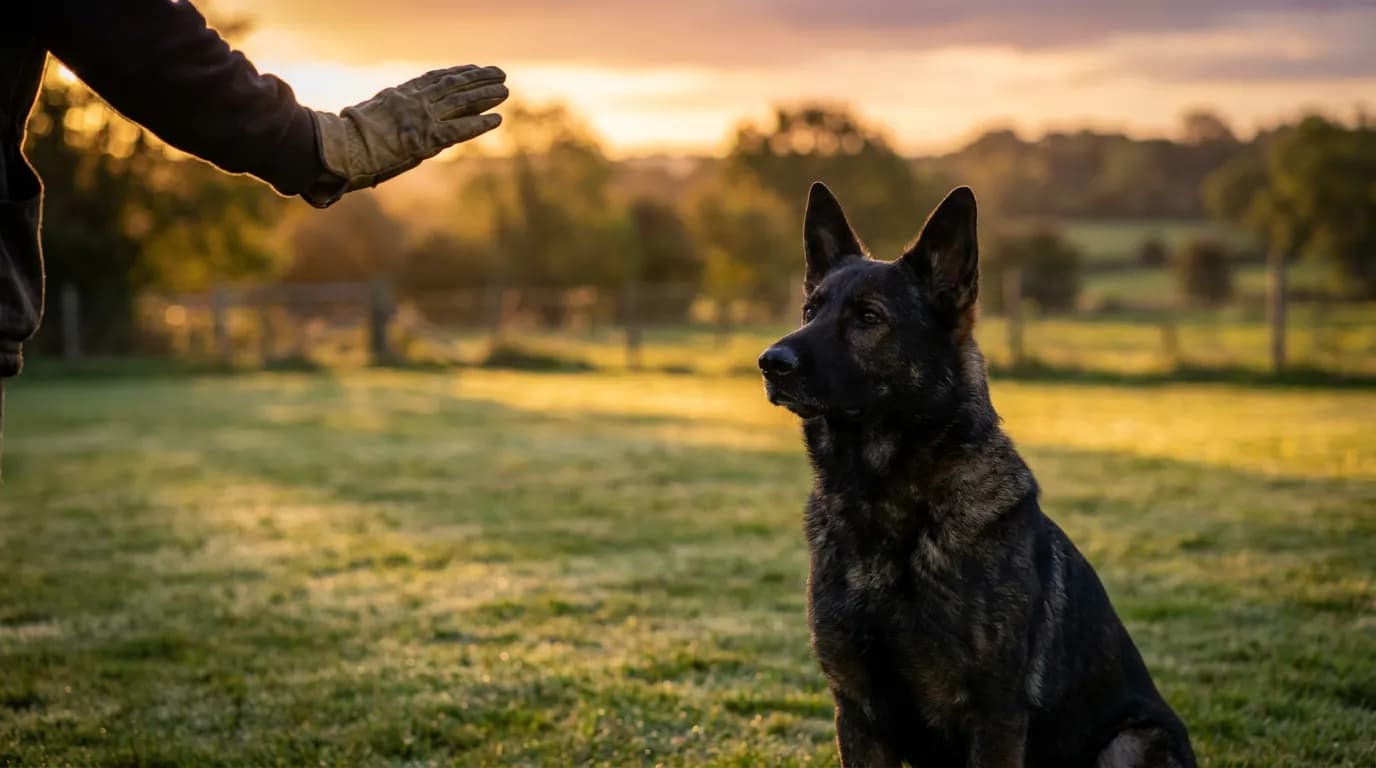
Now begin short training sessions each day. Practice the commands your dog already knows: sit, down, stay, come and heel. For a trained dog this is partly about teaching you, so you learn the timing, tone and signals that work. Keep sessions to ten or fifteen minutes and end on a success.
Handle feeding and walks yourself. This is how the dog learns that you are the source of good things. Hand feeding some meals and calm praise after good behavior build the bond quickly. Avoid harsh corrections. A trained dog will respond to a clear, confident voice.
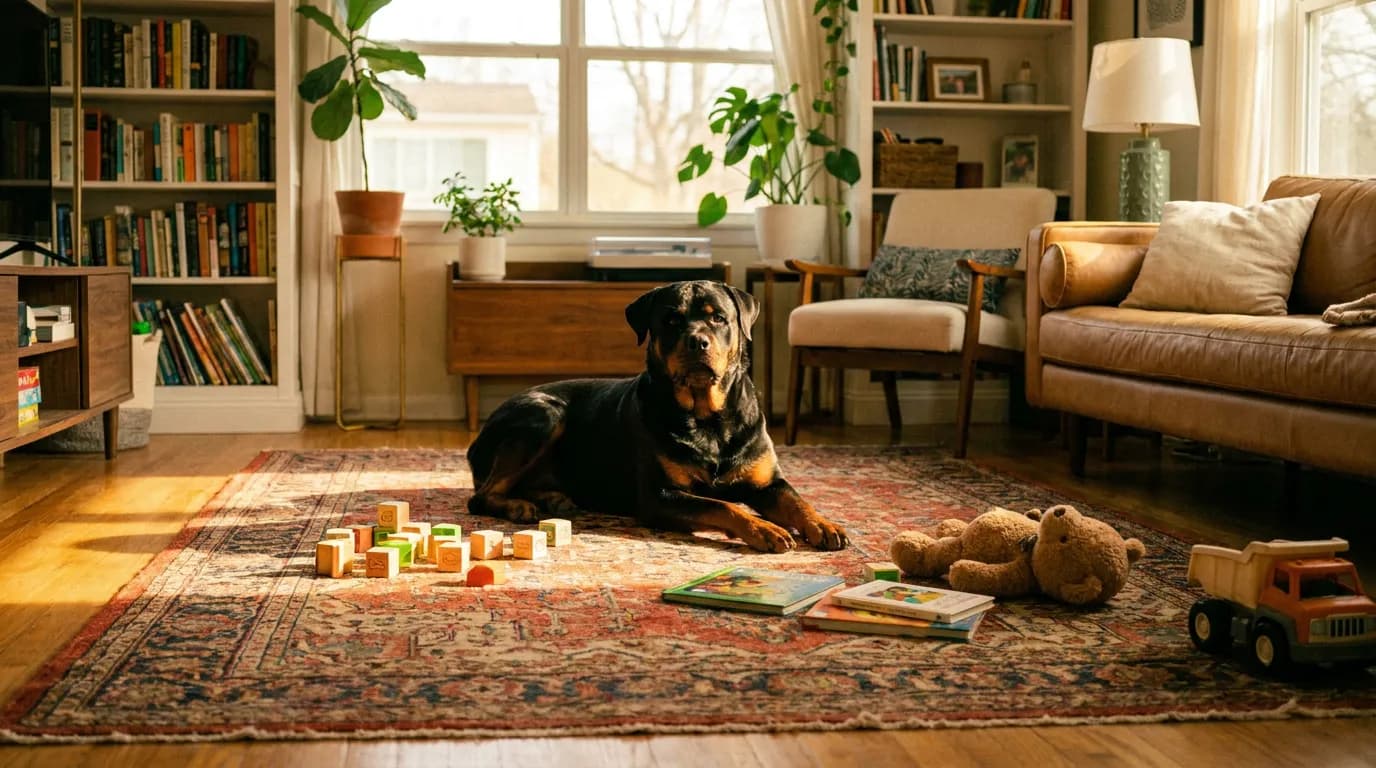
Pay attention to sleep and rest as well. Working breeds need much more downtime than most owners expect, often fourteen hours a day for adults. Teach the dog to settle on its bed while you go about your day, and do not fill every hour with activity. A rested dog learns faster, stays calmer and is far easier to live with in the long run.
Days 11 to 20: widen the world
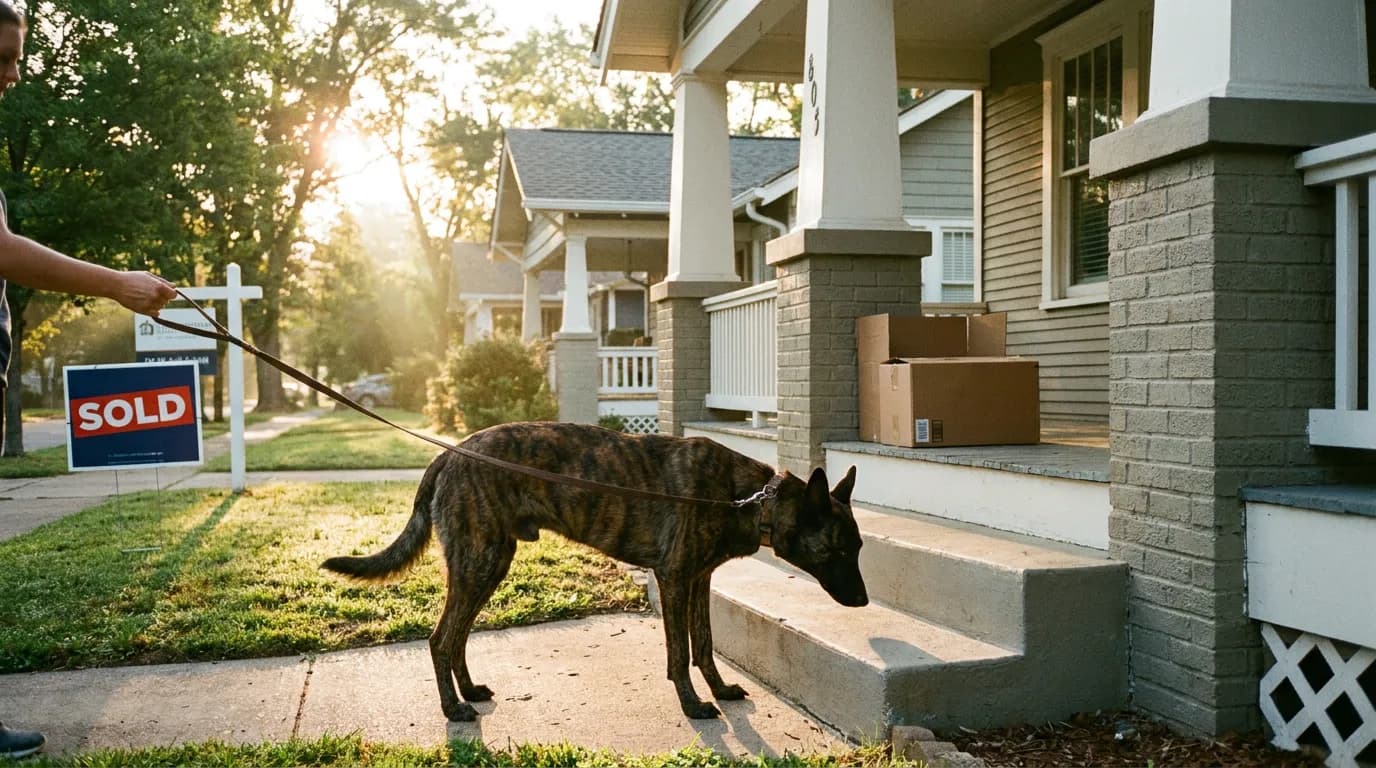
Once the dog is settled at home, begin carefully introducing new places. Take it on walks around the neighborhood, to quiet parks and on car rides. Keep the dog on a leash and stay relaxed. Dogs read our emotions, and a nervous handler makes a nervous dog.
Introduce family, friends and neighbors gradually. Let people meet the dog one at a time while you stay in control. Ask guests not to rush the dog or reach over its head. Reward calm greetings. This is the stage where good social habits are locked in.
Days 21 to 30: practice under distraction
Begin raising the difficulty. Practice commands near a busy street, at a distance from other dogs, or while someone walks past the house. If the dog struggles, move back a step and try again. Progress comes from patient repetition, not from forcing the dog into situations it is not ready for.
This is also a good time to review the protection commands with your trainer. Make sure you understand how to start and stop each behavior, and practice the release until it is automatic. Never practice protection exercises without proper guidance.
After the first month
By day 30 you should see a dog that knows its routine, trusts you and responds reliably at home. Keep going. Continue daily training, exercise and mental work, and schedule regular check-ins to keep your skills sharp.
You are never on your own. We stay available after the sale to answer questions and help with any challenge. If you are still deciding on a dog, view our available trained dogs and puppies, or send us an inquiry and we will help you plan your first month.
Related: how to choose a protection dog.
Need Help Choosing a Protection Dog?
Every dog has individual training, temperament, and care requirements. If you are considering a protection dog, explore the available options and discuss your circumstances with Titan Protection Dogs.